5 Ways to Enhance Volunteer Experiences at Nonprofit Events
This guest article was written and submitted by Bradley Olson, Marketing Manager at Smartwaiver. Please see the end of this article for Bradley's bio.
By:Bradley Olson
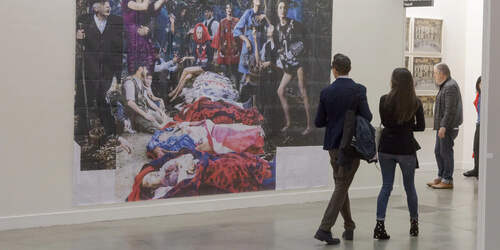
Your museum’s members are among your most loyal, valuable supporters. To retain them, your museum must continuously offer special, personalized member experiences to keep these supporters engaged.
One of the best ways to do this is with a robust volunteer program. Members can offer their time and helping hands to your organization by volunteering as docents, working the check-in desk, or even assisting at fundraising and other museum events.
Whether your museum is raising funds for its own operations, partnering with another nonprofit to support a worthy cause, or hosting a signature program, these events can be a lot of work. We’ll cover strategies for offering the best volunteer experiences possible, from the application and waiver to post-event follow-up.
Offer a variety of roles.
To ensure every interested volunteer has an option that appeals to them, offer several distinct jobs and post about them on your website. Most events will require:
- Registration desk attendants
- Ushers and/or greeters
- Exhibit or activity guides
- Logistical crews to manage setup and breakdown
- Technical, audio, and lighting support
- Support with food and beverages
Create a detailed description for each role so potential volunteers know what to expect. Funds2Orgs’ guide to volunteer recruitment recommends describing the role’s purpose, required skills or qualifications, responsibilities, specific tasks, and availability requirements.
Use volunteer waivers.
According to Smartwaiver’s guide, volunteer liability waivers are “legal documents volunteers sign to acknowledge and waive the risks associated with participating in volunteer activities organized by a nonprofit, school, or other organization.”
There are inherent risks involved in almost any volunteer experience. Injuries and accidents could occur during physical activities like setup and teardown, as well as during crowded, bustling events. Using volunteer waivers can help protect your museum from potential (costly) litigation.
When creating your waiver, always work with a legal professional to adhere to all relevant regulations. Consider choosing digital smart waivers over traditional paper forms. Digital documents are just as legally binding but much more convenient. Volunteers can access them at any time, and you can securely store them in a searchable virtual database.
Train your volunteers.
Effective training makes for more positive volunteer outcomes—and more efficient volunteers. Your training programs should be comprehensive without being bloated by unnecessary or redundant information.
Your training agenda will depend on your organization type, what kind of event you are holding, and how many attendees are expected, but aim to provide:
- A welcome email confirming you accepted the volunteer’s application, providing an overview of the volunteer opportunity, and outlining the onboarding process.
- An orientation session that introduces volunteers to your mission, values, and goals, as well as the purpose and goals of the event.
- Background information about your organization, such as its history, top exhibits and collections, and upcoming events or announcements.
- Policies and procedures volunteers must follow, such as a dress code or code of conduct.
- Techniques for engaging visitors and your organization’s standards for speaking with guests.
- Emergency protocols for managing situations like a fire or severe weather.
- Access to written resources that volunteers can reference at any time to review policies or learn more about your museum.
While you can’t prepare volunteers for everything, establishing each of these elements during training will give them a solid foundation. From here, they can navigate their role and unusual scenarios with confidence.
Make experiences meaningful.
Volunteers should leave your event feeling like they made an impactful contribution, learned something new, or gained a new perspective. Incorporate meaningful experiences and interactions into each volunteer opportunity to promote this sense of belonging and fulfillment.
You might include:
- Learning opportunities: When training your volunteers, boost their knowledge of your museum exhibits, layout, and the context behind your decisions. For instance, create a presentation that shows the behind-the-scenes process of creating an exhibit. Or, tell them some lesser-known fun facts about the subject of an exhibit that they can share with visitors.
- Special activity participation or leadership: Are you holding any special events for kids (or adults!) at your event? This could be the time for your more outgoing volunteers to shine. Give them opportunities to support or lead fun activities like storytelling, games, or even guest Q&As, and they’ll thrive on offering guests a fun experience.
- Community engagement: Some volunteers like nothing more than chatting and engaging with their community. Give these volunteers jobs as greeters and guides, allowing them to interact with plenty of event attendees. Take it a step further and have them get involved in community outreach before the event to attract participants!
- Ways to boost their contribution: Volunteers want to help as much as possible—but did you know that they can boost impact without donating more time or money? Spread awareness of corporate volunteerism programs like volunteer grants (where employers offer monetary grants to the organizations their employees frequently volunteer with) to help volunteers increase their contributions.
Remember to clarify the purpose of each volunteer role and reinforce that purpose throughout training and the event itself. For example, you might express to exhibit guides that they play a crucial role in bringing the exhibit to life, fostering new connections, and enriching visitors’ experiences by answering their questions and providing additional context.
Similarly, show your volunteers gratitude each step of the way. Expressing your appreciation with quick, heartfelt thank yous shows volunteers that you noticed their efforts and that they are making a positive impact.
Establish feedback mechanisms.
Whether this is your museum's first event with volunteers or its tenth, there is always room for improvement. After the event concludes, share a survey with volunteers to gather feedback. Boost responses with an incentive like 50% off the member’s next visit or a free snack from your café.
Incorporate questions about the application process, training, organization at the event itself, your staff, and overall volunteer management. Encourage volunteers to provide honest feedback so you can improve your program. Some may respond more honestly to an anonymous survey, so provide this option.
Don’t forget to express your gratitude to each volunteer. Share personalized thank-you messages via the communication channel the volunteer prefers. Leverage data gathered from the volunteer waivers, applications, or membership enrollment forms to customize each message with personal details.
Volunteer experiences will make your members feel closer to your organization. To make these experiences positive and keep volunteers returning to your museum, strive to offer seamless application and onboarding processes and prioritize safety.
Because your volunteers will have played a role in your event or day-to-day operations, they’ll feel a sense of responsibility and ownership over your long-term success.
 About the author - Bradley Olson
Bradley Olson is the Marketing Manager at Smartwaiver, an industry-leading digital waiver provider trusted by thousands of organizations to deliver powerful, streamlined smart waivers.
Bradley supports efforts to bring waiver technology to the nonprofits, businesses, and schools that need it, protecting their reputations and livelihoods. With 15 years of marketing experience and over 25 years working for-profit and nonprofit businesses in a variety of different verticals, Bradley is uniquely qualified to educate others on digital waivers.