Museum Management: Turn These Challenges into Opportunities
Josh Meyer, Guest Blogger
This guest article was written and submitted by Joshua Meyer, Head of Marketing at Muse Software. Please see the end of this article for Josh's bio.
By: Josh Meyer
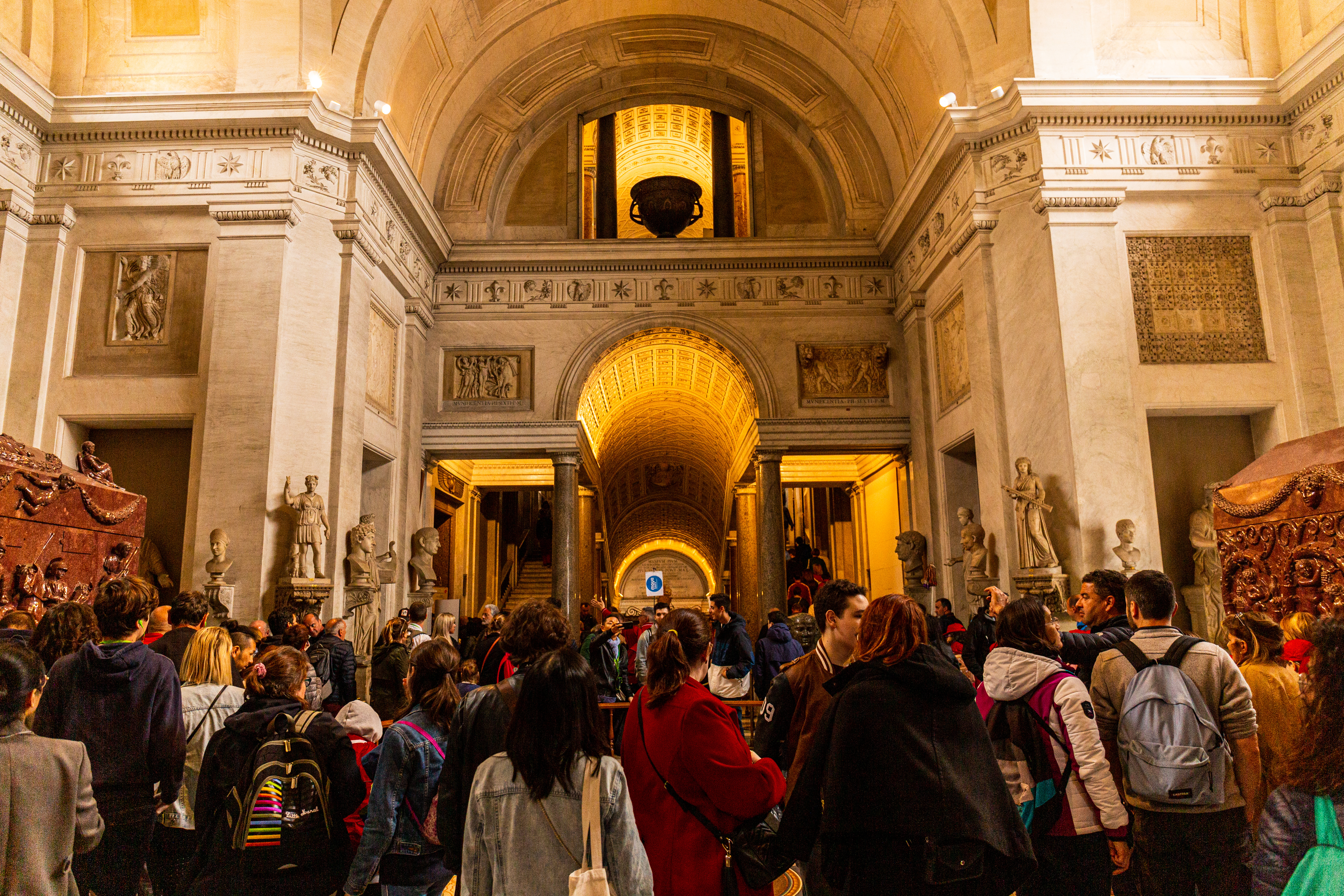
Your museum provides a wealth of benefits to your community. From offering an immersive learning environment that tangibly connects patrons to science, art, and history to preservation work to serving as a community gathering space, it’s impossible to quantify the value your organization provides.
As a community institution, it’s important for your museum to stay up to date with industry trends and evolve alongside your audience. In this guide, we’ll cover three issues facing contemporary museums and the opportunities to surmount them. By strategically adapting to preserve your mission while engaging with new patrons and members, you’ll be prepared to meet whatever comes next.
1. Responding to financial pressures
Unfortunately, museums across the country are under stress, with the American Alliance of Museums reporting that attendance and financial performance for many have declined since 2025. Additionally, amid threats and cuts to federal funding, museums face a very real budgetary gap.
Each individual situation will look different, but as your team evaluates the effects of these macroeconomic factors on your institution’s bottom line, you’ll likely want to increase your financial margins, even as a proactive measure.
If your revenue is down, you need innovative ideas to bolster your margins. Consider these creative revenue-driving solutions to diversify your income and make up for any lost funds:
- Reflect your institution’s unique identity at the gift shop. Your museum houses collections that no other institution owns—lean into that! Consumers appreciate local, destination-oriented merchandise. So, the items in your museum's retail shop should spark guests' desire for exclusive items they won’t find elsewhere.
- Host experiential events. While a visit to your museum already falls within the experience economy, there’s an opportunity to dial into that further. Organize special ticketed events where guests can get a behind-the-scenes look at your collection or special date nights themed around your galleries.
- Promote your museum as a venue. Whether you’re hosting a wedding for an art-loving couple or renting out your auditorium for a conference, your museum is an ideal location for an unforgettable event. Don’t forget about smaller-ticket, recurring events, such as corporate meetings and classes.
- Build an annual fundraising plan. In addition to generating program revenue, revitalize your giving campaigns with an annual strategy. Timing can make-or-break fundraising, so align your biggest campaigns with seasons when donors are more likely to be generous (such as the holiday season).
In addition to pursuing these measures to increase your museum’s income, review your overall financial management. Are you spending within your budget? Have you built up a reserve fund of six to 12 months of expenses? Do you have the right staff members or outsourced professionals in place to manage your museum’s finances? It’s worth taking a moment to ensure your financial foundation is solid so you can weather market volatility both now and in the future.
2. Establishing digital relevance
Your guests expect integrated, convenient technology to accompany their visit to your museum. As a baseline, the digital elements of their experience (online ticketing, finding information on your website, email reminders of their upcoming booking, etc.) should be frictionless.
Start by optimizing one of the most important digital experiences visitors have with your museum: ticketing. On the backend, museum operations software provider Muse recommends taking these steps to ensure your digital ticketing platform is supporting a great in-person experience:
- Centralizing ticketing, membership, and donor databases into a single system eliminates data silos and provides a unified view of patron interactions. This holistic perspective enables your staff to deliver highly personalized communication and targeted event invitations.
- Implementing dynamic QR-code ticketing allows patrons to bypass the box office entirely, reducing queue times and improving the initial arrival experience. This self-service model frees visitor services staff to offer more meaningful assistance rather than simply processing transactions.
- Updating legacy systems is necessary to better serve patrons accustomed to mobile and online accessibility. It also empowers your staff to easily assist patrons who need to purchase tickets or upgrade their memberships on a mobile device when they arrive.
- Upgrading from on-premise servers to cloud-based infrastructure ensures high availability during peak ticketing surges, such as the announcement of a popular traveling exhibition.
Beyond streamlining transactions, which is the baseline expectation for your visitors, there’s an opportunity to enhance your digital experience. Your museum’s digital presence is a great introduction to what’s in store for patrons when they visit in person. Here are a few ideas for connecting with current and new potential visitors online:
- Extend your museum's reach through virtual galleries and augmented reality applications.
- Dive deeper into your collection’s history and the context surrounding specific pieces with a podcast or video series.
- Pro-tip: Syndicate this content across your social media channels, website, and email communications so you get the most out of your investment.
- Develop your community’s ownership of a collection by inviting them to share pictures, artifacts, and stories related to the item's significance.
These digital improvements help you scale your institution's educational footprint globally, engaging audiences who may never physically visit the campus.
3. Reviving in-person engagement
As you build your museum’s online identity, capitalize on that momentum by innovating your guests’ experience.
To create a magnetic physical space, you’ll need to prioritize human connection and programmatic relevance. Get started by:
- Offering hands-on, docent-led maker spaces connecting theoretical exhibition concepts with tangible skill-building.
- Hosting exclusive multi-week educational opportunities where members return repeatedly to complete the course, transforming their relationship with the institution from casual entertainment to an essential community resource.
- Co-curating exhibitions with neighborhood advisory boards, ensuring the narratives presented authentically represent the lived experiences of the local population.
- Posting bilingual signage and sensory-friendly viewing hours to expand your collection’s accessibility.
In all your engagement strategies, embrace participatory learning to give guests agency in their museum visit and help them discover something new every time they come.
4. Supporting staff and volunteers
What truly elevates a museum visit are the passionate, knowledgeable curators who bring your exhibits to life. However, adequate staffing is a challenge for many museums.
While additional compensation might not be a lever you can pull at the moment to show your appreciation or attract new team members, lean into other engagement boosting measures for your staff and volunteers:
- Offer employees flexible work schedules when possible. Honoring their commitment to your institution by giving them more freedom in their day is just one way to say thank you.
- Give curators as much autonomy as possible over the theme of seasonal exhibits. Let them direct content based on their passions and take ownership of their work.
- Pair veteran docents with new volunteers to create a built-in mentorship pipeline that preserves institutional memory and standardizes the quality of floor interpretation, while also encouraging docents to add their own personality to tours.
When your staff and volunteers are excited to be there, their energy will improve the entire museum environment. Build a culture of contagious enthusiasm by welcoming guests warmly and stationing docents throughout the physical space so they’re ready to provide help or extra information when needed.
After a great visit, follow up with guests and invite them to partner with your institution further by becoming donors or members. Encouraging them to take ownership of your community treasure is one more step towards ensuring your museum will be around for years to come.
 About the Author: Joshua Meyer, Head of Marketing, Muse Software
Joshua Meyer brings more than 20 years of fundraising, volunteer management, and marketing experience to the cultural institutions space. As Head of Marketing at Muse, he helps museums, zoos, aquariums, and public gardens discover modern software that replaces the disconnected legacy systems their teams have been fighting with for years.
Through previous roles at Bloomerang, the Human Rights Campaign, and OneCause, Josh developed a deep passion for mission-driven organizations and the technology that helps them do more with less. Off the clock, Josh is either on a Northern California trail with his Goldendoodle Harper, exploring San Francisco's live music scene, or deep into planning his next adventure somewhere far from a conference room.